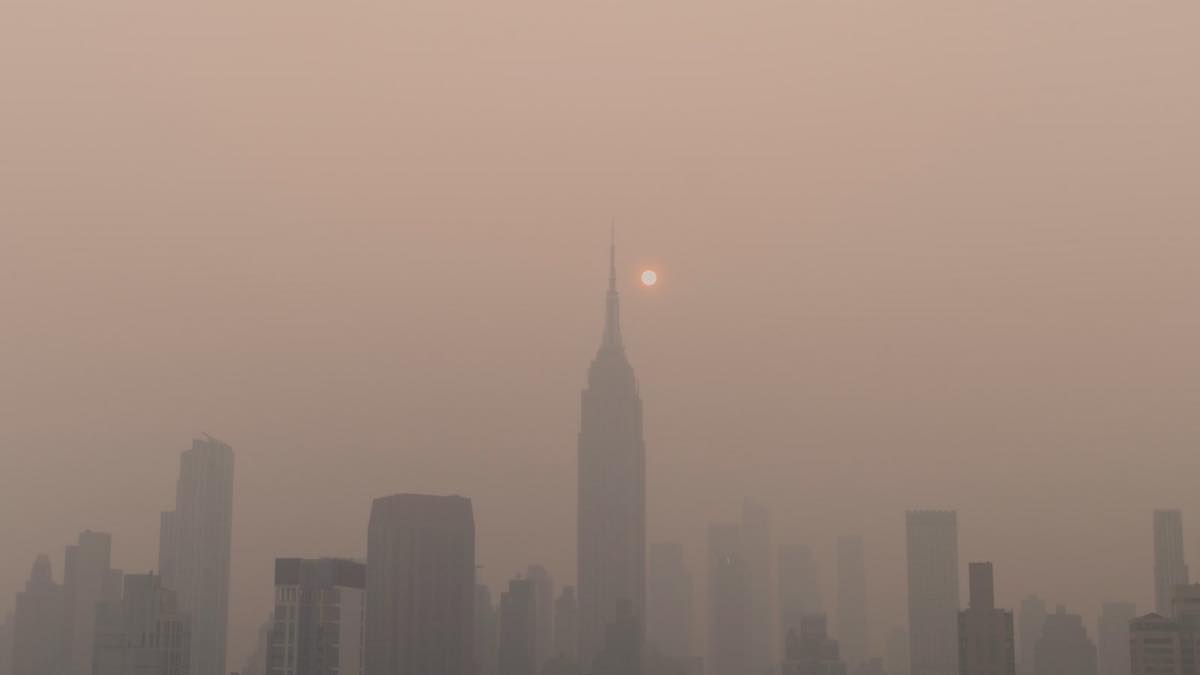
N95 or KN95 in the Haze: A Malaysian Pharmacist's Guide
When the haze rolls in, the same scene plays out in homes across Malaysia. Someone digs out a box of N95 or KN95 masks, hands them around, and everyone heads out the door assuming they are covered. The trouble is that a respirator is not a put-it-on-and-forget-it tool. Worn the wrong way, it protects far less than most of us think, and for some people it may not be the right choice at all. Ph. Kek Jin Er (Laura), a pharmacist and community and primary care strategist at Alpro Pharmacy, walks through what actually matters.
Not all masks are equal
Haze is made up of very fine particles, small enough to slip straight past a loose surgical mask. A properly fitted N95 is designed to filter at least 95 percent of the test particles that are hardest to catch, which means it can substantially cut your exposure to fine haze particles, including PM2.5. That is exactly why health authorities point to a well-fitted respirator over an ordinary surgical mask when the air outside turns hazy.
KN95 respirators are made to China's GB 2626 standard and are also designed to filter at least 95 percent of particles under set test conditions. A genuine, compliant KN95 can be a reasonable alternative, but a lot rides on the fit. Many KN95 models use ear loops, which often do not seal as reliably as the twin headbands on a typical N95.
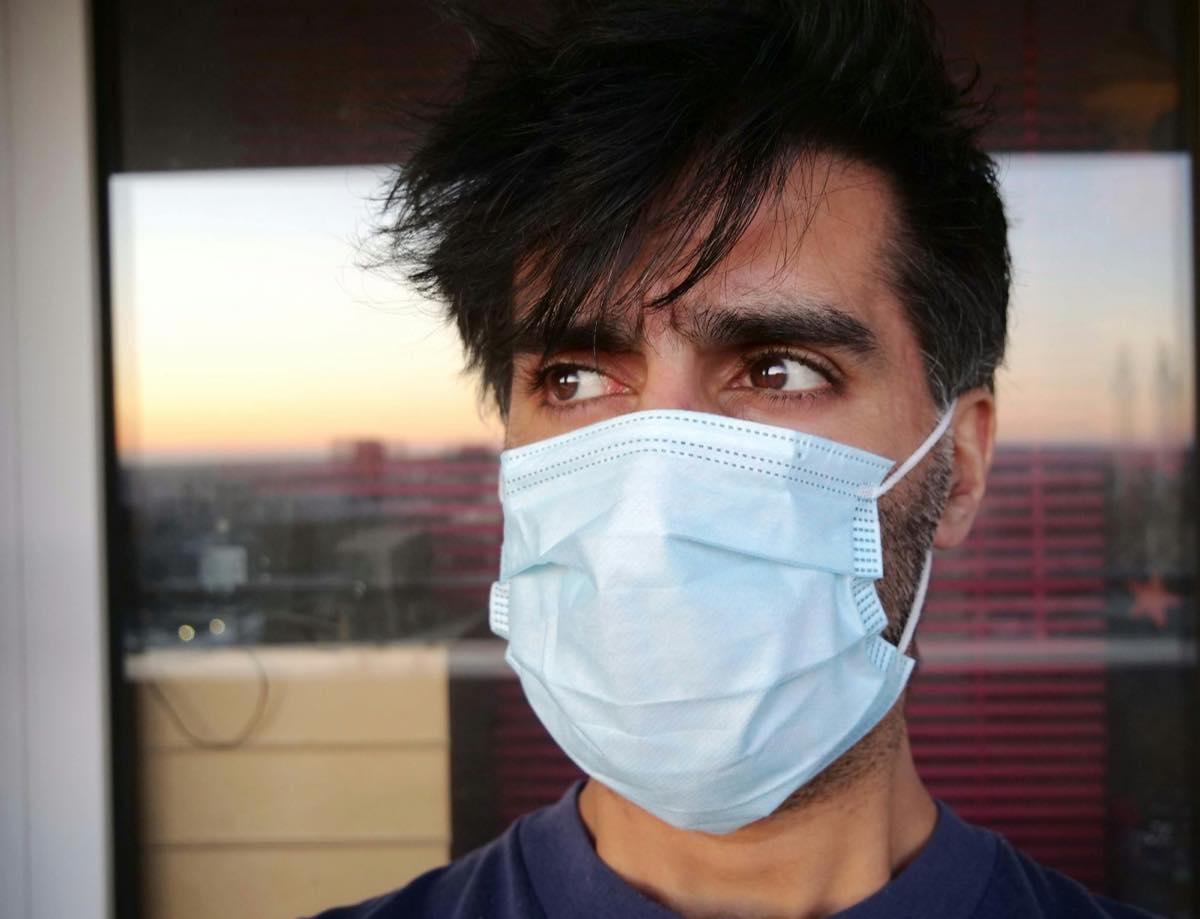
Check the seal, not just the box
The mask should sit snugly across the nose, cheeks and chin, with no gaps around the edges, and that is true for both N95 and KN95. Here is the part that catches people out: facial hair, jewellery or the arm of your glasses sitting under the sealing edge can break the seal and let unfiltered air leak straight in. If there is a gap anywhere, the respirator is doing a lot less than you hoped.
How long can you actually wear it?
This is where a lot of misinformation floats around. You may have heard that an N95 is only safe for one hour, or that outdoor trips must be capped at 30 to 40 minutes. There is no universal time limit. How long you can wear one comfortably depends on you, your activity, the conditions and the fit. What is genuinely useful to know is when to replace it: swap the respirator when it becomes wet, dirty, damaged, misshapen, hard to breathe through, or no longer seals properly.
Never wash, heat or try to disinfect a disposable N95 or KN95 at home. Those methods can damage the respirator, hurt its filtering, or ruin the seal. And if it starts to feel uncomfortable, head indoors to cleaner air before taking it off, rather than pulling it down in the middle of a smoky street. One myth worth retiring: a well-sealed respirator does make breathing a little harder, and some people feel discomfort or a mild headache from the added resistance, but current evidence does not support the claim that normal use causes dangerous carbon dioxide buildup in healthy adults.
Pregnant women and children need extra care
According to Ministry of Health Malaysia haze guidance, N95 respirators are not considered suitable for pregnant women, and other tight-fitting respirators such as KN95 may also add to breathing effort. For expectant mothers, the priority is not which mask, it is how to avoid needing one: stay indoors with cleaner air and skip outdoor trips that are not necessary while the haze is heavy. If going out genuinely cannot be avoided, check with your doctor about what suits your own situation.
The same guidance notes that N95 respirators are unsuitable for children, because an adult-sized respirator may not seal properly on a small face. Keeping children indoors during heavy haze matters just as much.
Asthma, COPD and heart or lung conditions
If you are managing asthma, COPD, or a heart or lung condition, haze season calls for a small strategy shift. Reduce outdoor exposure first, keep doors and windows closed when it makes sense, and run an air purifier indoors if you have one. Keep your treatment close by, continue medication as prescribed, and carry your reliever inhaler and follow your action plan if you have one. Respond early to warning signs: if wheezing, dizziness, chest tightness or unusual shortness of breath sets in, move to cleaner indoor air, remove the respirator once it is safe, and seek urgent medical help if symptoms are severe, worsening or not improving.
The quick version
A well-fitted N95 or KN95 beats a surgical mask in the haze, the seal matters more than the label, and you replace it by its condition rather than the clock. Pregnant women, young children and anyone with a heart or lung condition should lean on staying indoors and a doctor's advice first. Before you decide whether to head out at all, check the current air quality on the Department of Environment's air pollutant index. This guidance was contributed by Alpro Pharmacy.
Looking after yourself through the season is bigger than one mask. For more on staying well, see our guide to the Women Wellness Festival in Kuala Lumpur and the Uvaco Taiwanese wellness launch in Malaysia.