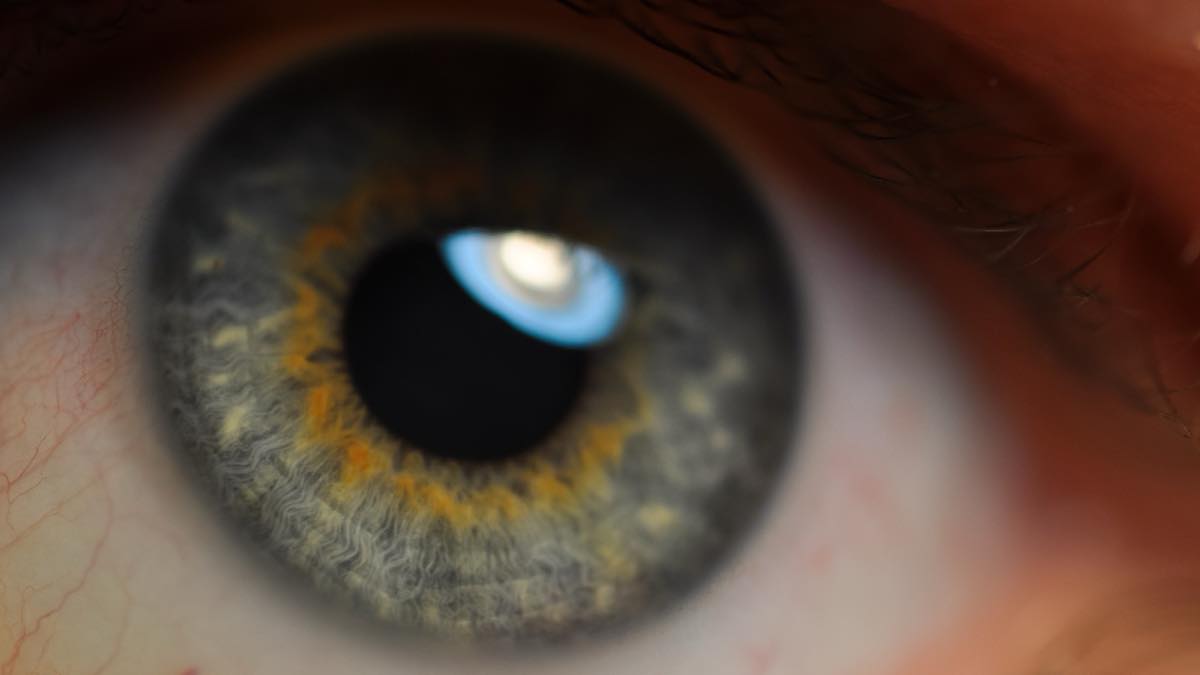
Tired Eyes or Dry Eye? 5 Signs Worth a Closer Look
By the end of a long day in front of a screen, plenty of Malaysians notice the same thing. The eyes feel tired, maybe a little gritty, and sometimes they water for no clear reason. It is easy to put it down to screen time, a late night, or the office air-conditioning, and sometimes that is part of the story. But when the discomfort keeps coming back, it can be worth a closer look. Dr Joyce Hii of Alpro Clinic in Kuching says one common explanation is dry eye, a condition that does not always live up to its name.
"Many people assume dry eye means their eyes must feel dry. In reality, the symptoms can be quite different from person to person," she says. The point is not to self-diagnose, but to notice what your eyes are telling you, how often it happens, and what seems to set it off.
Dry eye does not always feel dry
The first surprise is that dry eye often shows up as grittiness, burning or stinging rather than an obvious dryness. It can feel like there is a speck of dust in your eye when nothing is there. The reason sits in the tear film, the thin layer of tears that keeps the surface of the eye lubricated and smooth enough for clear vision. When that film becomes unstable, irritation follows.
The second surprise catches a lot of people out: watery eyes do not rule it out. When the surface of the eye is irritated, the body can respond by producing a flood of reflex tears to flush it. The amount of tears your eyes make and how well those tears actually protect the surface are two different things, which is why some people get watering alongside the burning. Allergies, irritants in the air and blocked tear drainage can cause watering too, so it is one clue, not a verdict.
A third sign is vision that goes briefly blurry, then clears after a few blinks. An unstable tear film makes vision fluctuate, and blinking spreads a fresh layer across the eye. It tends to show up during long stretches of concentration, like reading or working at a computer. One caution from Dr Hii: any sudden, significant or lasting change in vision is not tired eyes, and deserves prompt attention.
When reaching for relief becomes a habit
If eye drops have quietly taken up residence on your desk, in your bag and by your bed, that pattern is itself a sign. There is nothing wrong with using drops when they suit your needs, but the more useful question is why you keep needing them. Different products do different jobs, and leaning on them for constant relief can mask the real cause.
The last clue is timing. Eyes that feel fine in the morning but sore by late afternoon, or that flare after hours in an air-conditioned room, are telling you something. Staring at a screen makes us blink less often and less fully, so tears do not spread as they should. Dry, low-humidity air speeds up tear evaporation. Contact lenses can add to the load, so if lenses suddenly feel less comfortable than they used to, the lenses may not be the whole problem.
Who is more likely to notice it
Anyone can get dry eye, but a few groups tend to run into it more often, and not always for the same reasons. Heavy screen users and office workers blink less while concentrating and often sit in air-conditioning all day. Contact lens wearers may find their tolerance drops when the tear film is affected. Older adults can see age-related changes in tear stability. And people who already use drops frequently may be treating the symptom without ever getting to the cause.
There is also a part many people overlook. Certain medications and health conditions are linked to dry eye, which is why a doctor may ask questions that seem unrelated to your eyes. If you suspect a medication is behind it, do not stop taking it on your own; speak to your doctor first.
When to get your eyes checked
Not every bout of discomfort is a worry. Sometimes eyes just need a break from a screen or a dry room. But if symptoms keep returning, linger, or start getting in the way of work, reading, driving or contact lens wear, it is worth a professional opinion. Seek urgent care for significant eye pain, marked redness, unusual sensitivity to light, or any sudden or significant change in vision. The same goes for contact lens wearers who develop pain or redness, which can point to something that needs timely treatment.
In the meantime, a few habits genuinely help: take regular breaks during screen work, blink fully and often, steer air vents and fans away from your face, and review how you wear and care for contact lenses. Alpro Pharmacy also offers a free dry eye test at its outlets for anyone who wants a starting point, though a screening is no substitute for proper care if you have warning signs.
The thread running through all of this is simple. Your eyes can feel tired without telling you why, and the most useful question is often not "how do I make this stop right now" but "why does this keep happening". For more on looking after yourself through Malaysia's haze and hot-season habits, see our guide to choosing and wearing an N95 or KN95 in the haze and our look at the Women Wellness Festival in Kuala Lumpur. This guidance was contributed by Alpro Pharmacy.
Cover photo: Matt Ming / Wikimedia Commons, CC BY 2.0.