A Pink October Talk on Breast Health, Without the Fear
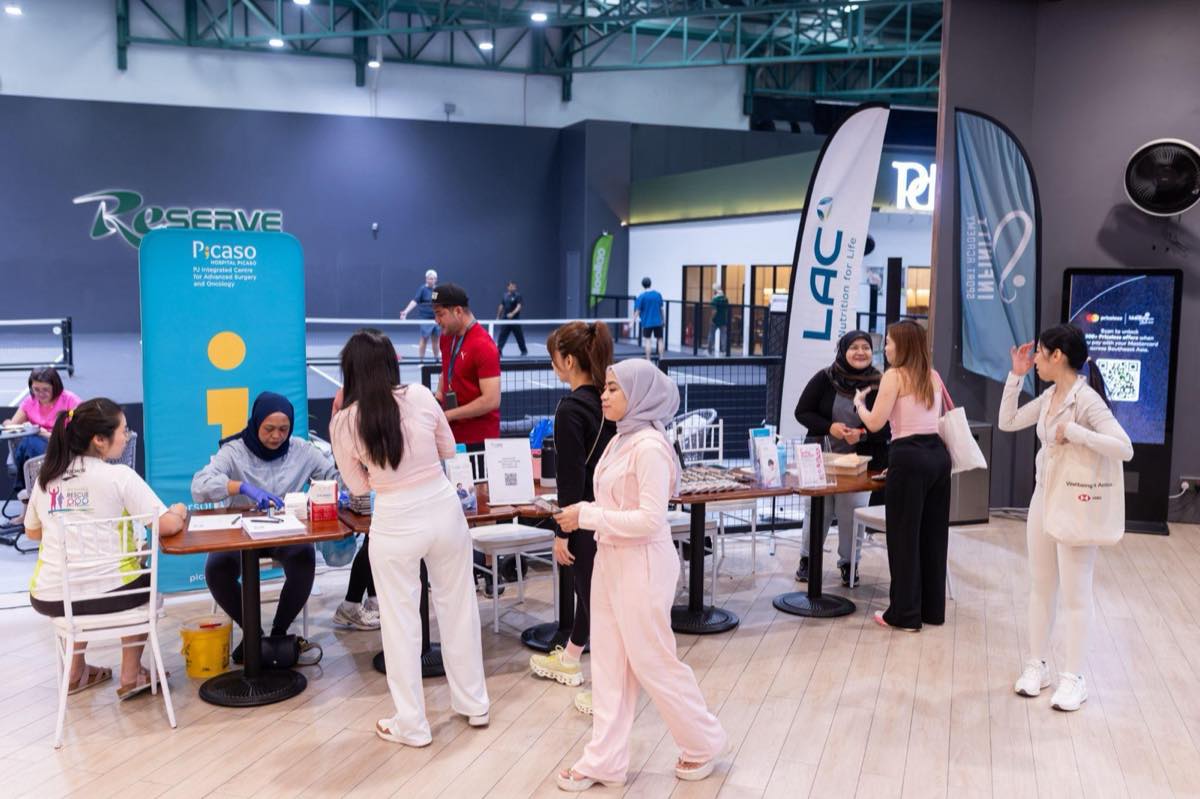
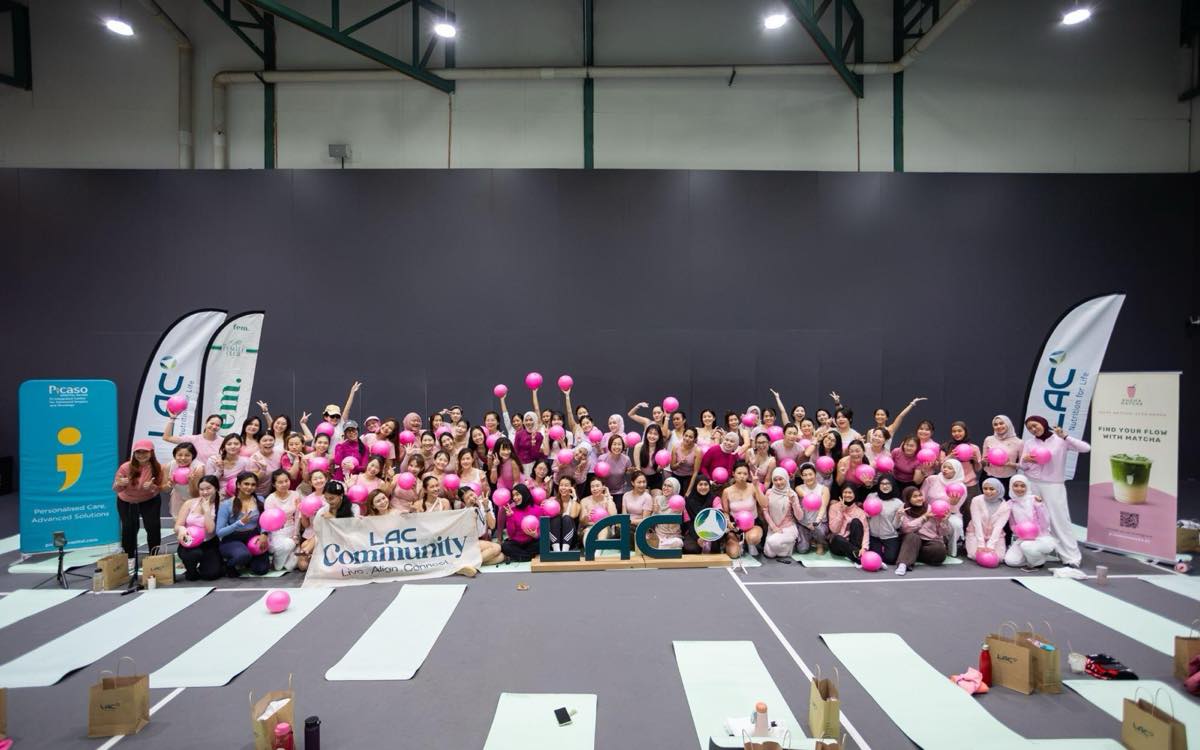
Seven in 10 Malaysian women aged 40 and above once believed breast cancer screening only mattered when symptoms showed up, according to a 2023 nationwide study in BMC Public Health. That figure is exactly why 85 women gathered in pink one recent morning at Kota Damansara, for a session that traded fear for plain, practical advice on looking after themselves.
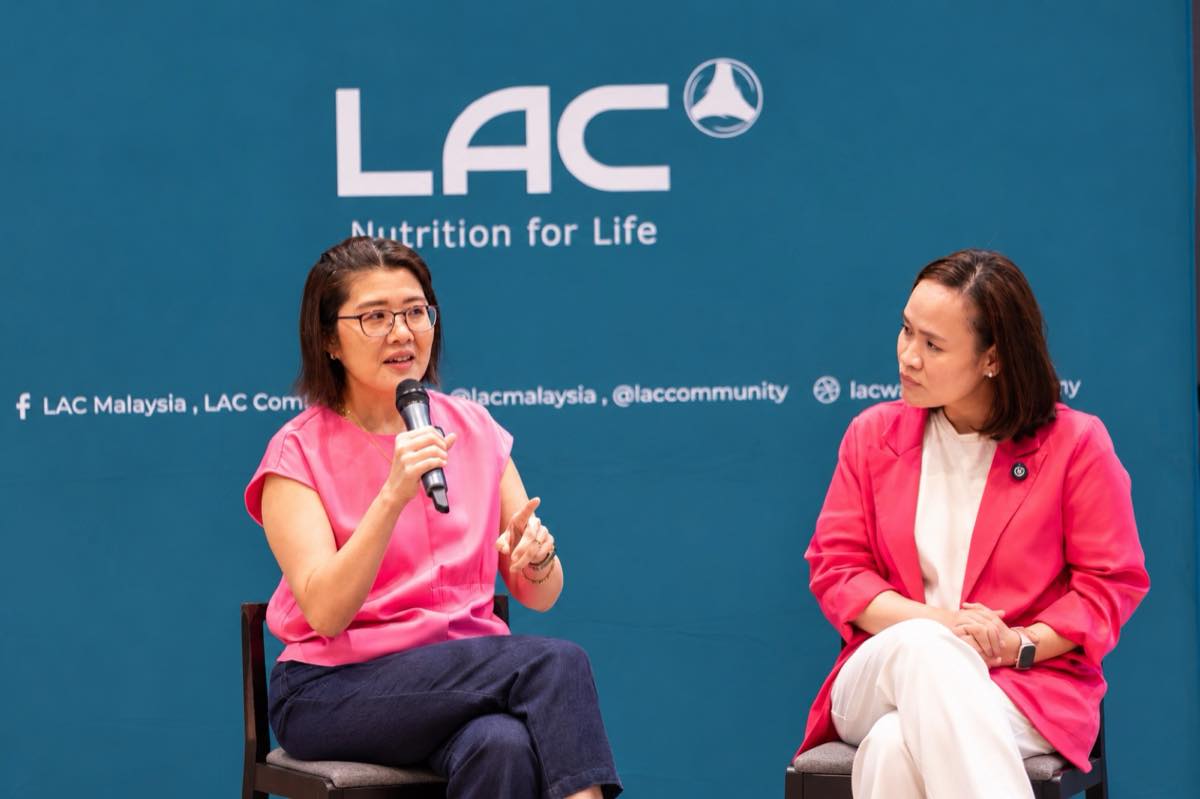
The morning was a LAC Community session held with FemFamm, a women-only community built around moving, learning and connecting. It was led by Dr Christina Lai Nye Bing, a consultant clinical oncologist at Hospital Picaso, and Cynthia Jetan, a consultant nutritionist, and the running theme was simple: feeling well does not always mean everything is fine.
The two myths an oncologist hears most
Dr Lai said two beliefs come up again and again in her clinic, and both are wrong. The first is that no family history means no risk. The second is that if something does not hurt, it cannot be serious.
"Most women diagnosed with breast cancer do not have a strong family history, and early breast cancer is often painless," she said. "No family history does not mean no risk, and no pain does not mean no problem."
She also wanted women to know why so many put off getting a change checked, whether from fear, a busy schedule or the hope that it will simply go away. Finding a change does not mean cancer, and many breast changes are harmless. It just means it deserves a proper look, and the earlier that happens, the more options there are.
What to look for, and when to check
A lump is not the only change worth noticing. Dr Lai pointed to skin dimpling, nipple changes, spontaneous discharge (especially if it is bloody) and swelling in the armpit. Her rule on timing is clear: screening is for women without symptoms, so if you already feel a lump or notice a change, do not wait for a screening appointment, get it assessed. Mammograms can pick up changes before they can be felt, and the right age to start is worked out with a doctor based on your own history and risk, rather than age alone.
The nutrition advice was refreshingly ordinary
There was no special breast-health diet on offer. Cynthia's approach was about adding rather than cutting out. Having nasi campur? Add another serving of vegetables. Having teh tarik? Add a glass of plain water.
"Sometimes, adding one better choice at a time is much easier to sustain," she said.
For busy days she suggested keeping boiled eggs, cut fruit or cooked vegetables ready in the fridge, carrying a water bottle and not skipping meals. She talked about the role of vitamin D and omega-3 fatty acids from foods like oily fish, nuts and seeds, and was clear that supplements can help fill nutritional gaps but do not replace a balanced diet.
Movement, and a donation
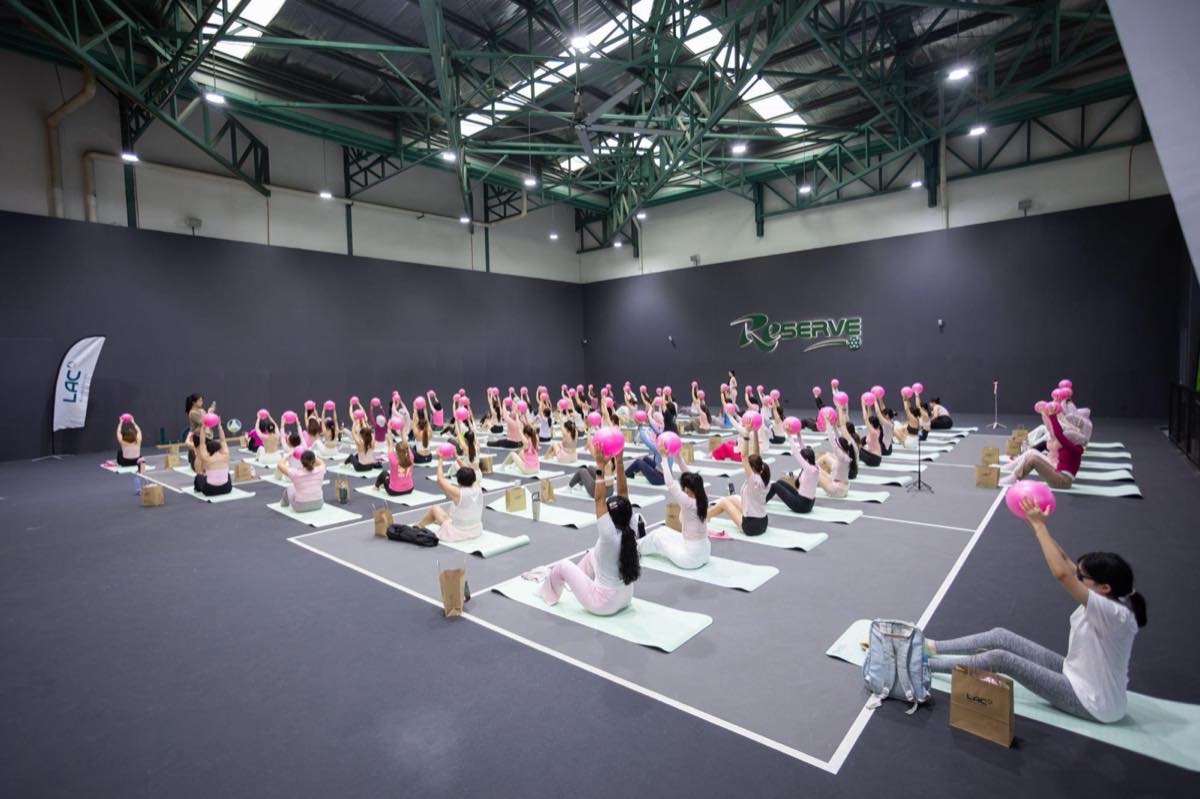
The session closed with a beginner-friendly Pink-Lates Pilates class led by The Flow Studio, low-impact and built for a mixed-ability room. All participation fees from it, RM2,852.98 in total, were donated to the Breast Cancer Welfare Association Malaysia, a non-profit founded in 1986 that offers peer support to women affected by breast cancer and promotes early detection.
If a community health morning is your kind of thing, it sits alongside events like the Women's Wellness Festival in KL and campaigns such as Estee Lauder's Breast Cancer Campaign, both of which turn Pink October into something you can actually join in with.
Dr Lai's closing line was the one worth keeping: make breast health a routine part of caring for yourself, not something you think about only when you are frightened or when October turns everything pink. Know what is normal for you. Do not ignore a new change. And make time for your own health, even when everyone else is depending on you.