A Men's Health Morning in Subang, and a Urologist's Advice
Prostate cancer is the third most common cancer among Malaysian men, and 63.3% of cases with a known stage were diagnosed at Stage III or IV, according to the Malaysia National Cancer Registry Report 2017-2021. That late picture is the reason LAC Malaysia spent a November morning getting men moving and talking about the symptoms many of them quietly put down to age.
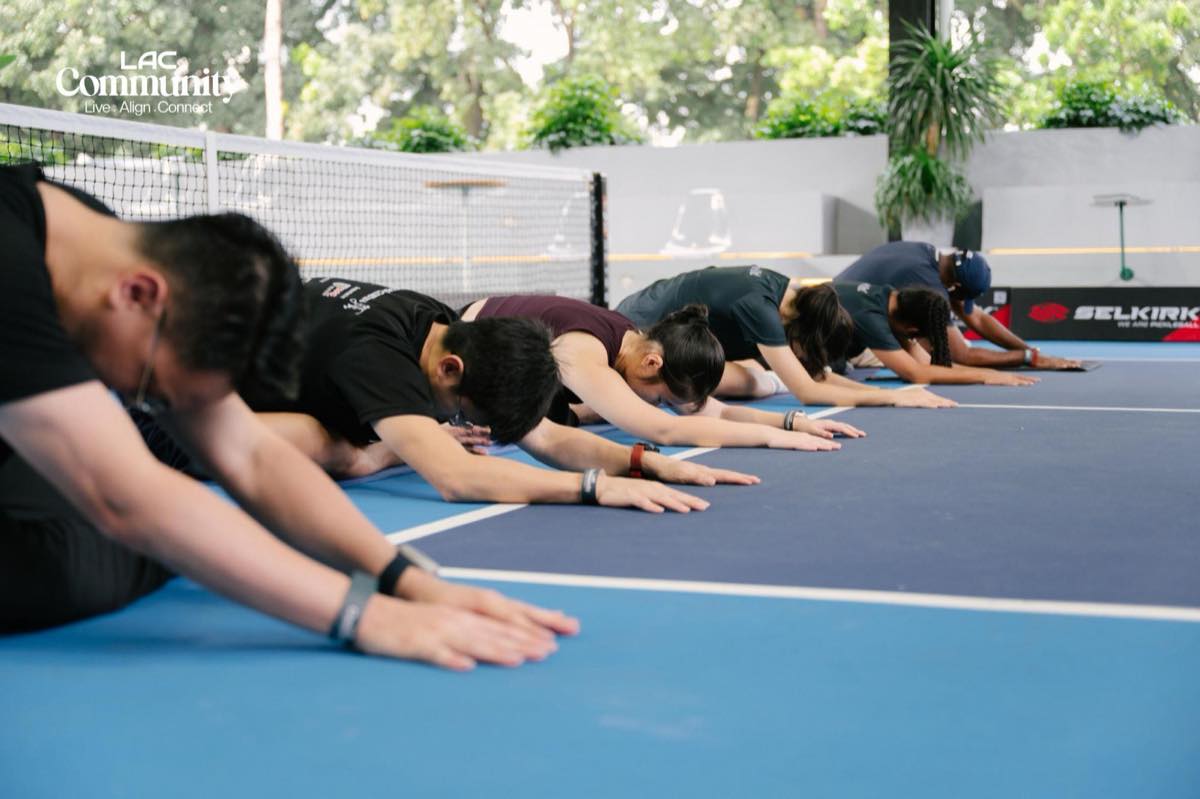
Almost 100 people turned up at PLAYA Racquet Club @ PARC Subang for a LAC Community morning that was open to men and women alike. The programme had a 5km community run with Wind Runners, a men's mini team pickleball tournament, a guided joint mobility session led by Adrian Loh and a health screening run by Pantai Hospital Klang.
Free checks on the day
The Pantai Hospital Klang booth offered complimentary blood pressure, glucose, ECG and InBody body composition checks, with free cholesterol screening for the first 20 participants. For a lot of people, a morning out with friends is an easier way into a health check than booking one on a weekday.

What a urologist wants men to stop ignoring
LAC Malaysia also worked with Prince Court Medical Centre on a set of short educational videos for its social channels, featuring Dr Datesh Daneshwar, a consultant urologist at Prince Court. His main point is that embarrassment keeps many men from getting help, and that staying silent, relying on online searches or trying to self-treat can delay a proper diagnosis.
"Ageing may contribute to urinary changes, but persistent urinary symptoms should never simply be accepted as inevitable," he said. "My advice is simple: don't wait until urinary symptoms become unbearable before seeking help."
The symptoms he says are worth getting assessed:
- Needing to urinate often, or waking up at night to go
- Difficulty starting, or a weaker stream than before
- Sudden urgency, or discomfort when urinating
- Persistent pelvic pain
Three signs need prompt medical attention: being unable to pass urine at all, any visible blood in the urine (even once, even if it is painless), and urinary symptoms that come with fever and chills.
He also cleared up a few common assumptions. Urinary symptoms are not always caused by an enlarged prostate, since inflammation, pelvic floor dysfunction and chronic pelvic pain syndrome can feel similar. They are not only an older man's problem either: he sees men in their twenties, thirties and forties with them. And an enlarged prostate is not directly linked to prostate cancer, nor does prostate size alone decide cancer risk.

The PSA test, explained simply
On screening, Dr Datesh explained that PSA (prostate-specific antigen) is a protein made by the prostate, and a blood test measuring it can help identify men who may need further checks. "PSA is prostate-specific, not cancer-specific," he said, which is why one reading should not be read on its own. When to start, and how often, depends on age, family history, earlier PSA results and personal risk, and men with a father or brother who has had prostate cancer should raise it with a doctor earlier.
His other advice was about sitting less. Long hours seated can make pelvic discomfort worse, so he suggests regular breaks and building walking or other moderate activity into the day.
Food, supplements and small habits
Cynthia Jetan, consultant nutritionist for LAC Malaysia, pointed out that men's nutritional needs shift with age as metabolism, muscle mass and activity levels change. She listed ingredients often found in prostate health formulations, such as saw palmetto, lycopene, zinc, beta-sitosterol and pumpkin seed oil, but was clear that supplements should complement a healthy lifestyle and never replace a diagnosis or treatment. Anyone with persistent urinary symptoms should see a healthcare professional.
"You don't need to change your lifestyle overnight. Make better everyday choices, stay active, and pay attention to changes in your health. Small, consistent steps can make a difference as you age," she said.
If community health mornings like this suit you, LAC runs them regularly; its earlier Pink October talk on breast health took the same approach for women. Upcoming LAC Community sessions are posted on Instagram at @lacmalaysia and @laccommunity.my.